
5
Experiences available
Verona Tours
Expert-led Verona guided tours that turn Roman roots and Renaissance romance into meaningful discoveries
Let Your Curiosity Shape Your Journey
Join passionate experts on intimate walking tours that reveal a city's unique stories, spark conversations, and leave you seeing the world—and yourself—a little differently.

Crafted for conversation
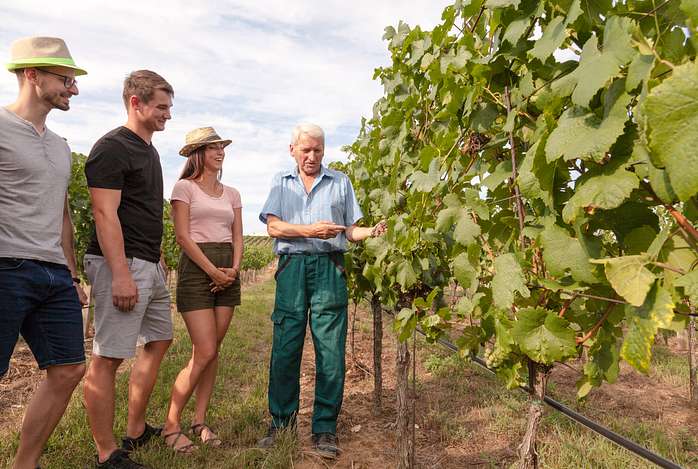
With ten or fewer guests, ask questions, engage with your Expert, and fully immerse yourself.
Experts, not guides
Explore with 1,200+ Experts, from historians and architects to archaeologists and chefs.
Structured, never scripted
Your interests guide your Expert, leading to stories and perspectives that matter to you.
From curious to connoisseur
For first-time visitors or seasoned explorers, our tours span city highlights to deep-dive masterclasses.
Verona, Seen with Context
Verona isn’t simply the setting of a famous love story. Walk with an expert to discover how Roman heritage and Renaissance life shaped the city.

Hear from our customers
Verona Tours
Verona sits along the Adige River in northern Italy, between the Alps and the Venetian plains, a location that made it a strategic crossroads for trade, military movement, and cultural exchange for more than two thousand years. Founded as a Roman settlement, the city grew into an important regional center of the Roman Empire, leaving behind monuments that still define its historic landscape.
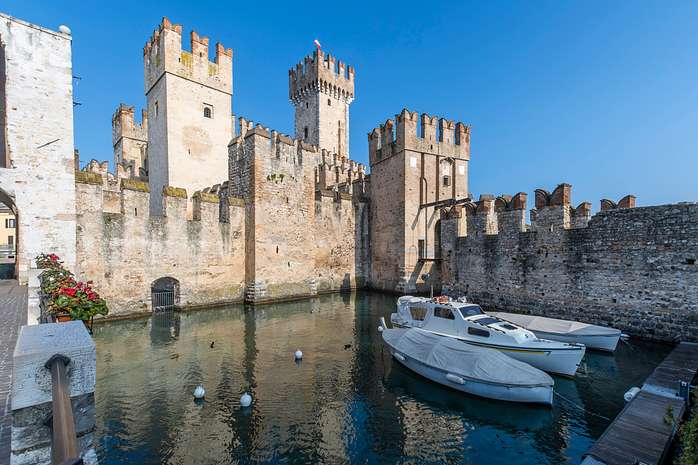
During the Middle Ages, Verona became a powerful city-state under ruling families such as the Scaligeri, whose castles and defensive structures reshaped the city. Renaissance culture and later Venetian rule added further architectural and artistic layers. Today, Verona preserves an extraordinary concentration of Roman monuments, medieval streets, and Renaissance landmarks. Context Travel’s Verona tours are led by historians and local experts who help travelers understand how the city’s Roman foundations, medieval politics, and literary legacy continue to shape its identity.
Verona is known for its Roman monuments, medieval architecture, and literary connection to Shakespeare’s Romeo and Juliet.
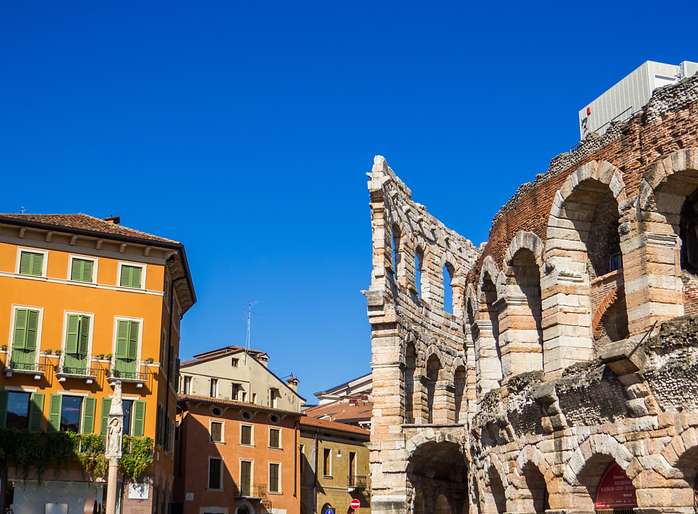
The Roman Arena
Verona’s Roman amphitheater, built in the 1st century CE, remains one of the best-preserved ancient arenas in Italy and still hosts performances today.
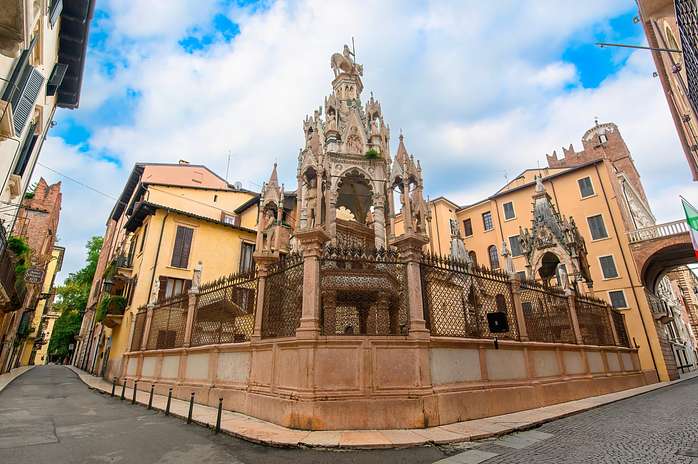
Medieval Architecture and the Scaligeri
The city’s medieval rulers left behind castles, bridges, and fortified towers that reflect Verona’s political power during the Middle Ages.
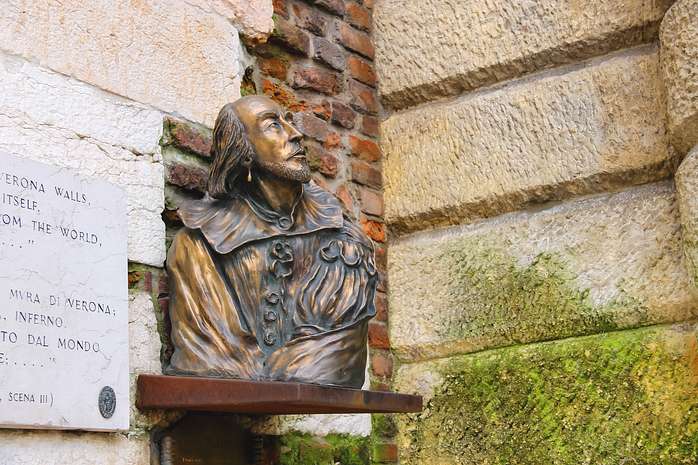
Shakespeare’s Verona
The city’s association with Romeo and Juliet has shaped its global cultural reputation.
Historic Squares and Civic Life
Piazza delle Erbe and Piazza dei Signori reveal centuries of commercial and political life.
Gateway to Northern Italy
Verona’s location makes it an important cultural link between Venice, Milan, and the Alpine regions.
Verona appeals to travelers interested in Roman history, medieval architecture, and literary traditions. First-time visitors often begin with guided introductions to the Roman Arena and the city’s historic squares to understand Verona’s ancient and medieval foundations. Lifelong learners appreciate deeper conversations about Roman urban planning and medieval politics, while travelers drawn to literature and culture explore the city’s connection to Shakespeare and its enduring artistic traditions.
Verona’s historic center is compact and highly walkable, making private tours one of the best ways to explore its monuments and public squares.
Most travelers spend one to two days in Verona, often combining the city with visits to Lake Garda or nearby northern Italian destinations.
Italian is the primary language spoken in Verona, though English is widely spoken in tourism areas. Italy uses the euro (€) as its currency.
Spring and autumn offer particularly pleasant weather for exploring the city’s historic streets and monuments.
What is Verona known for?
Verona is known for its Roman Arena, medieval architecture, and its association with Shakespeare’s Romeo and Juliet.
Is Verona worth visiting?
Yes. Verona offers well-preserved Roman monuments, historic squares, and one of the most atmospheric medieval centers in northern Italy.
How many days should you spend in Verona?
Most travelers spend one to two days exploring Verona’s historic center and nearby attractions.
Is Verona walkable?
Yes. Verona’s historic center is compact and ideal for walking tours.
Is Verona safe for travelers?
Verona is generally considered a safe destination for visitors, particularly in the historic center.
What are the most famous places to visit in Verona?
Major landmarks include the Roman Arena, Piazza delle Erbe, Castelvecchio, and sites connected to Shakespeare’s Romeo and Juliet.
Is Verona only about Romeo and Juliet?
No. Shakespeare’s story is one layer of a much older city shaped by Roman engineering, medieval governance, and Renaissance culture.
Is Verona worth visiting compared to Venice or Florence?
Verona offers a quieter, more legible experience, ideal for travelers seeking depth without crowds.