

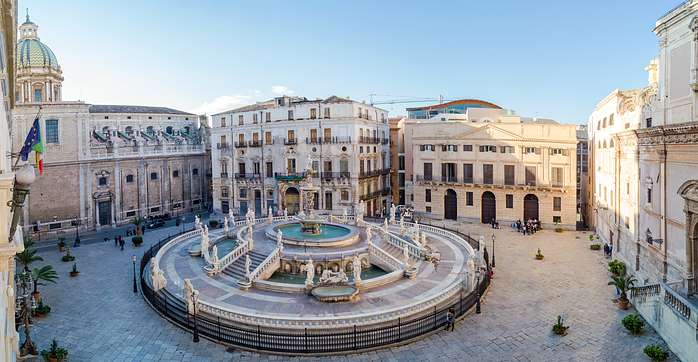
As usual, Context was excellent. Enrica was wonderful, knowledgeable, friendly and excited to share Palermo with us. From historical details to the best market stand to get lunch, she made the most of our time in Palermo.

19
Experiences available
Sicily Tours
Expert-led Sicily private tours that turn ancient civilizations and island culture into meaningful discoveries
Let Your Curiosity Shape Your Journey
Join passionate experts on intimate walking tours that reveal a city's unique stories, spark conversations, and leave you seeing the world—and yourself—a little differently.

Crafted for conversation
With ten or fewer guests, ask questions, engage with your Expert, and fully immerse yourself.
Experts, not guides
Explore with 1,200+ Experts, from historians and architects to archaeologists and chefs.
Structured, never scripted
Your interests guide your Expert, leading to stories and perspectives that matter to you.
From curious to connoisseur
For first-time visitors or seasoned explorers, our tours span city highlights to deep-dive masterclasses.
Sicily, Seen with Context
Sicily isn’t simply an island in the Mediterranean. Walk with an expert to discover how Greeks, Arabs, Normans, and generations of Sicilians shaped its culture.
Hear from our customers
Salvatore was generous in sharing both his knowledge and enthusiasm for the Valley of the Temples. He observed pace for the varied ages in our family 24-82 yo. And went into both historical context where needed as well as pointed out details that we could have easily missed. Would gladly revisit with him
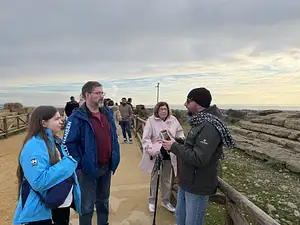
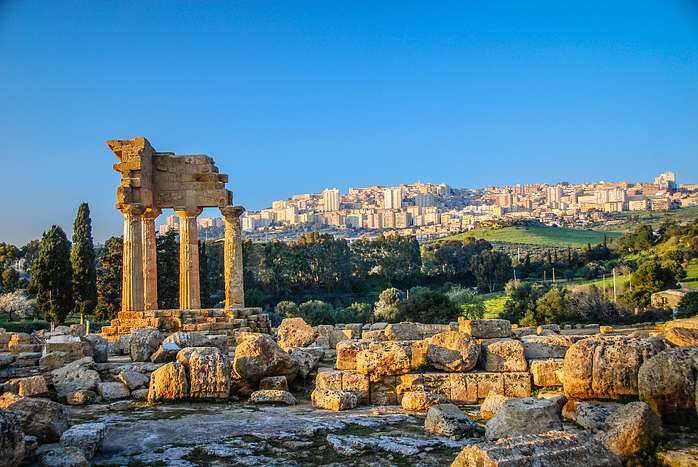
The Valley of the Temples is nothing short of magical! Our guide, Salvatore, with his incredible knowledge of history, archaeology and Sicily made the two hours fly by. We learned so much and thoroughly enjoyed our time with Salvatore!
Sicily Tours
Sicily sits at the center of the Mediterranean, just off the southern coast of Italy, where Europe, North Africa, and the Near East have intersected for millennia. Because of this strategic position, the island became a crossroads of civilizations, shaped by Greek colonists, Roman administrators, Arab scholars, Norman rulers, and Spanish governors. Each left a distinct mark on Sicily’s architecture, language, cuisine, and cultural identity.
Today, Sicily offers travelers an extraordinary concentration of archaeological sites, historic cities, and culinary traditions. Ancient Greek temples stand beside Norman cathedrals and Baroque towns rebuilt after earthquakes. Context Travel’s Sicily tours are led by historians and local experts who help travelers understand how these layers of history combine to create one of the Mediterranean’s most complex cultural landscapes.
Sicily is known for its ancient archaeological sites, layered Mediterranean history, and distinctive regional cuisine.
Ancient Greek Heritage
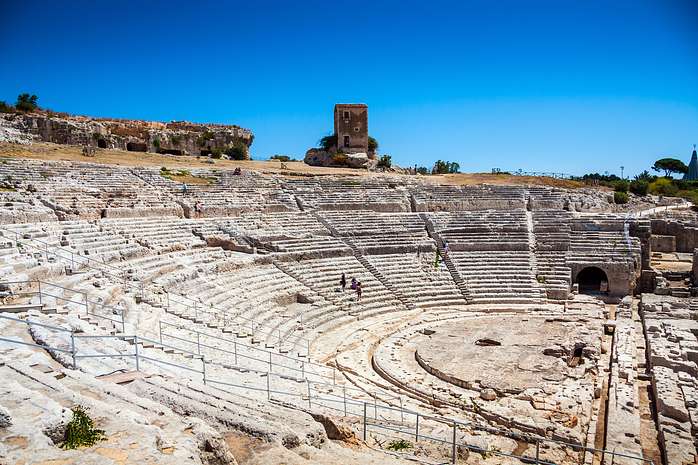
Cities such as Agrigento and Syracuse preserve some of the most important Greek archaeological sites outside Greece.
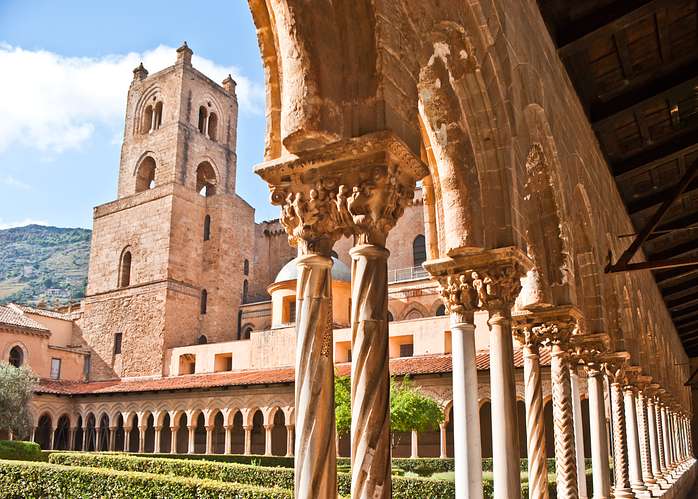
Norman and Arab Architecture
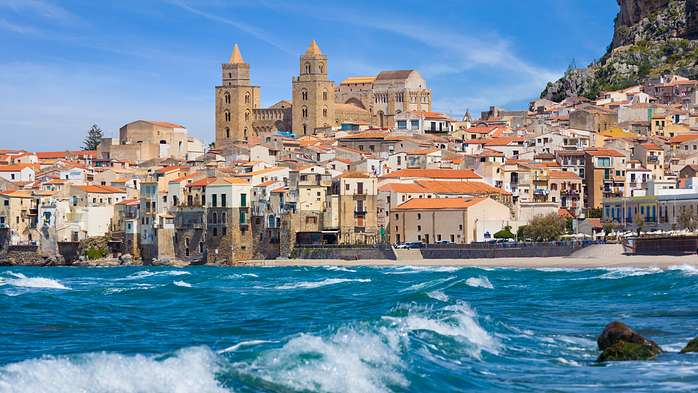
Palaces and cathedrals in cities like Palermo reveal a rare fusion of Byzantine, Arab, and Norman artistic traditions.
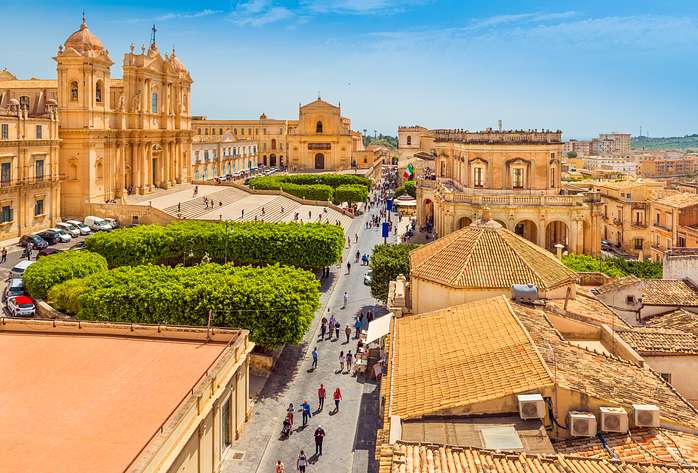
Baroque Cities of Southeastern Sicily
Towns such as Noto and Ragusa were rebuilt in elaborate Baroque style after the 1693 earthquake.
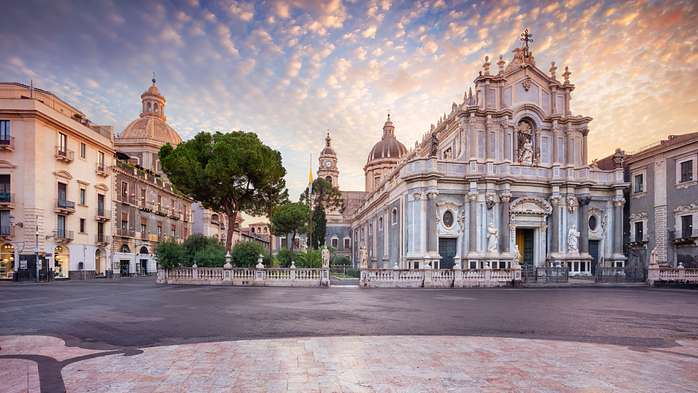
Mount Etna and Volcanic Landscapes
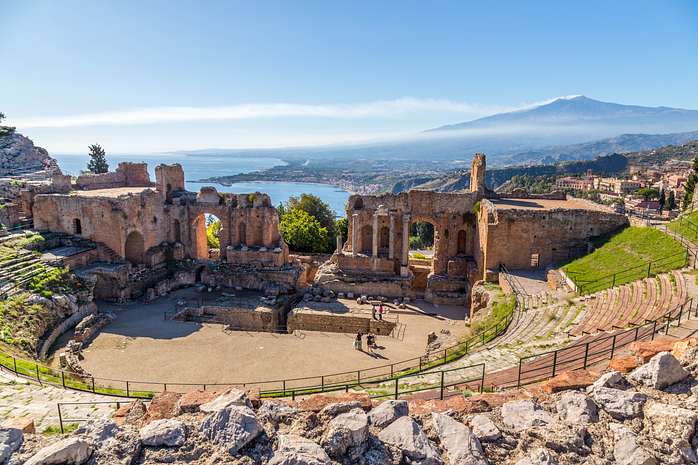
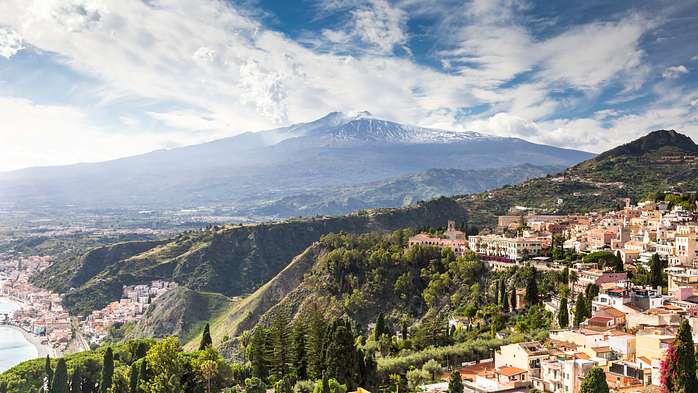
Europe’s most active volcano shapes both Sicily’s landscape and its agricultural traditions.
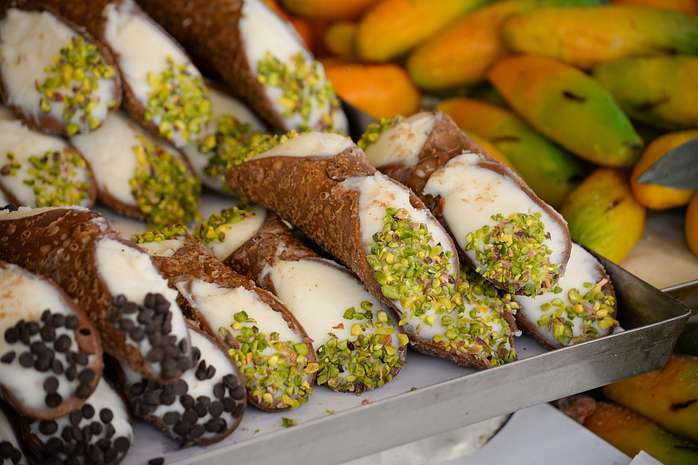
Sicilian Cuisine
Food traditions reflect centuries of cultural exchange, blending Italian, Arab, and Mediterranean influences.
Sicily appeals to travelers interested in ancient history, Mediterranean culture, and regional food traditions. First-time visitors often begin with guided introductions to major archaeological sites and historic towns to understand the island’s layered past. Lifelong learners appreciate deeper conversations about Sicily’s role in Mediterranean history, while travelers interested in food and culture explore markets, regional dishes, and local traditions shaped by centuries of cultural exchange.
Sicily is a large island, and exploring it typically involves travel between multiple cities and regions. While historic centers are often walkable, transportation between towns is usually done by train or car.
Most travelers spend five to seven days in Sicily, allowing time to visit archaeological sites, historic cities, and coastal landscapes.
Italian is the primary language spoken in Sicily, though English is widely spoken in tourism areas. Italy uses the euro (€) as its currency.
Spring and early autumn are particularly pleasant times to visit, with warm weather and fewer crowds than peak summer months.
What is Sicily known for?
Sicily is known for ancient Greek ruins, Norman architecture, Mediterranean cuisine, and its role as a cultural crossroads in the Mediterranean.
Is Sicily worth visiting?
Yes. Sicily offers extraordinary archaeological sites, historic towns, dramatic landscapes, and distinctive regional food traditions.
How many days should you spend in Sicily?
Most travelers spend five to seven days exploring Sicily’s cities, archaeological sites, and landscapes.
Is Sicily good for walking tours?
Yes. Many Sicilian cities such as Palermo, Syracuse, and Taormina are ideal for walking tours that explore historic centers and monuments.
What are the most famous places to visit in Sicily?
Major destinations include the Valley of the Temples in Agrigento, Mount Etna, Palermo, Syracuse, and the Baroque towns of southeastern Sicily.