
7
Experiences available
Marrakech Tours
Expert-led Marrakech private tours that turn medina life and Moroccan craftsmanship into meaningful discoveries
Let Your Curiosity Shape Your Journey
Join passionate experts on intimate walking tours that reveal a city's unique stories, spark conversations, and leave you seeing the world—and yourself—a little differently.

Crafted for conversation
With ten or fewer guests, ask questions, engage with your Expert, and fully immerse yourself.
Experts, not guides
Explore with 1,200+ Experts, from historians and architects to archaeologists and chefs.
Structured, never scripted
Your interests guide your Expert, leading to stories and perspectives that matter to you.
From curious to connoisseur
For first-time visitors or seasoned explorers, our tours span city highlights to deep-dive masterclasses.
Marrakech, Seen with Context
Marrakech isn’t just bustling souks and palaces. Walk with an expert to discover how dynasties, artisans, and desert trade shaped the city.

Hear from our customers
Marrakech Tours
What is Marrakech known for?
Marrakech is known for its historic medina, vibrant souks, imperial palaces, and traditional Moroccan craftsmanship.
How many days should you spend in Marrakech?
Most travelers spend two to three days exploring Marrakech’s historic sites, markets, and nearby landscapes.
Is Marrakech walkable?
Yes. The historic medina is best explored on foot, though its narrow alleys can be complex to navigate without a guide.
Is Marrakech safe for travelers?
Marrakech is generally considered safe for visitors, particularly in central areas and major attractions. As in any busy city, travelers should remain aware of their surroundings in crowded markets.
Is Marrakech worth visiting?
Answer: Yes. Marrakech offers a unique blend of imperial history, vibrant markets, and traditional culture that makes it one of North Africa’s most fascinating cities.
Why is Marrakech called the Red City?
Marrakech is known as the Red City because many of its historic buildings and city walls are constructed from red sandstone and clay.
Is Marrakech a good base for exploring the Atlas Mountains?
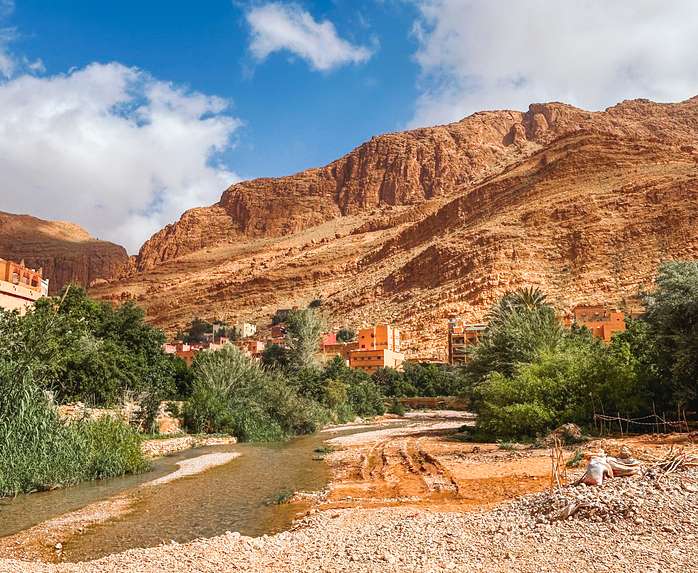
Yes. Marrakech is one of the best starting points for excursions into the Atlas Mountains, where travelers can visit Amazigh villages and explore mountain landscapes.
What should I wear in Marrakech?
Marrakech is a conservative city, so it’s recommended to dress modestly, covering your shoulders and knees. Comfortable shoes are essential for walking, and sunscreen is a must during the warmer months.
Marrakech sits at the edge of Morocco’s Atlas Mountains, where trade routes once linked the Sahara, North Africa, and the Mediterranean world. Founded in 1070 by the Almoravid dynasty, the city quickly became one of Morocco’s imperial capitals and a center of political power, scholarship, and commerce. Its red sandstone walls, historic mosques, and bustling markets reflect centuries of cultural exchange shaped by Arab, Amazigh, and Andalusian traditions.
Today, Marrakech remains one of the most dynamic cities in North Africa. Within the ancient medina, artisans, merchants, and storytellers continue traditions that stretch back generations. At the same time, gardens, palaces, and museums reveal the architectural and artistic ambitions of Morocco’s royal dynasties. Context Travel’s Marrakech tours are led by historians, cultural experts, and local guides who help travelers understand how history, craft, and everyday life shape the city today.
Marrakech is known for its imperial history, vibrant markets, traditional craftsmanship, and the cultural crossroads that shaped Morocco.
Imperial Moroccan History
Marrakech served as the capital of several Moroccan dynasties, leaving behind monumental palaces, mosques, and fortified city walls.
The Medina and Souks
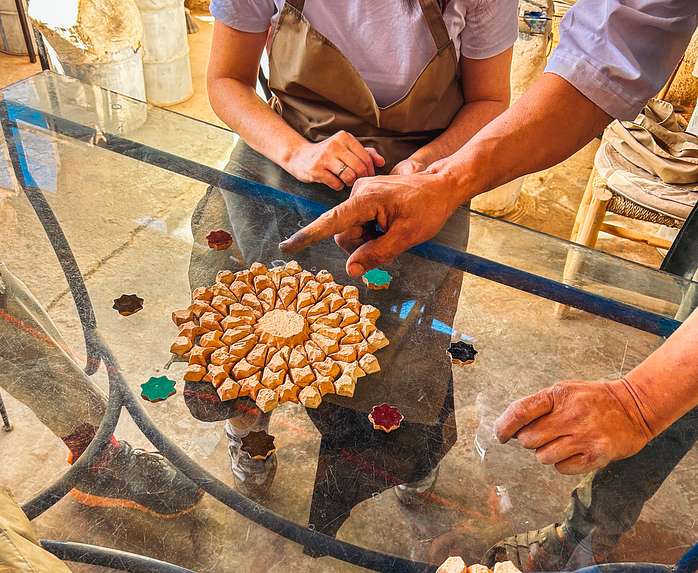
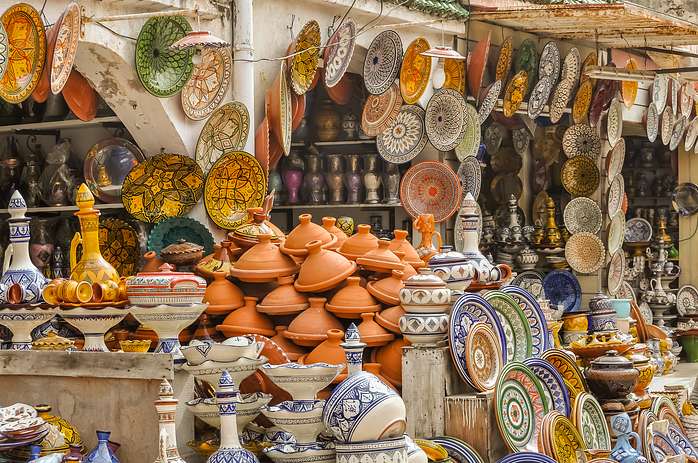
The historic medina of Marrakech is a UNESCO World Heritage Site filled with markets where artisans continue centuries-old crafts such as leatherwork, metalwork, and textiles.
Islamic Architecture and Design
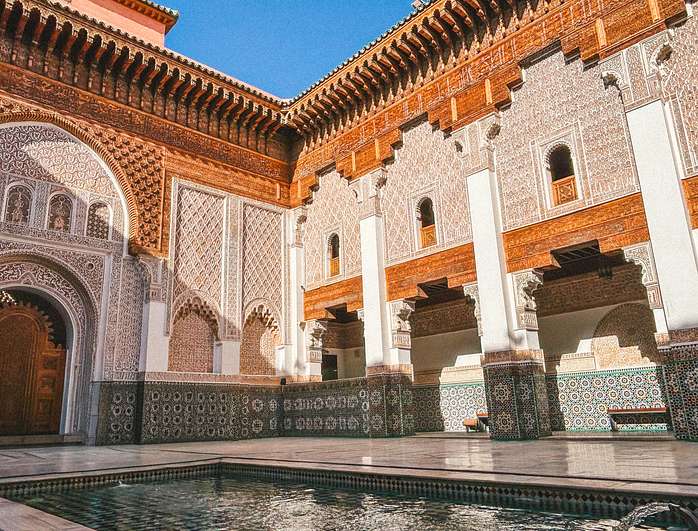
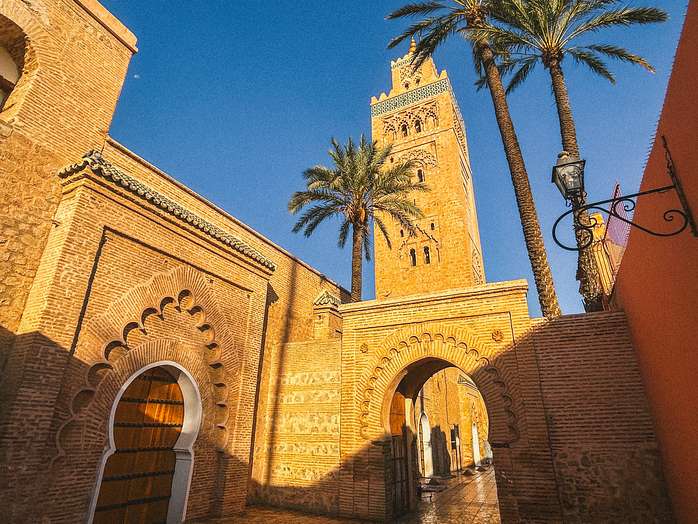
Landmarks like the Koutoubia Mosque, Bahia Palace, and Medersa Ben Youssef showcase intricate tilework, carved wood, and traditional Moroccan architecture.
Amazigh (Berber) Cultural Influence
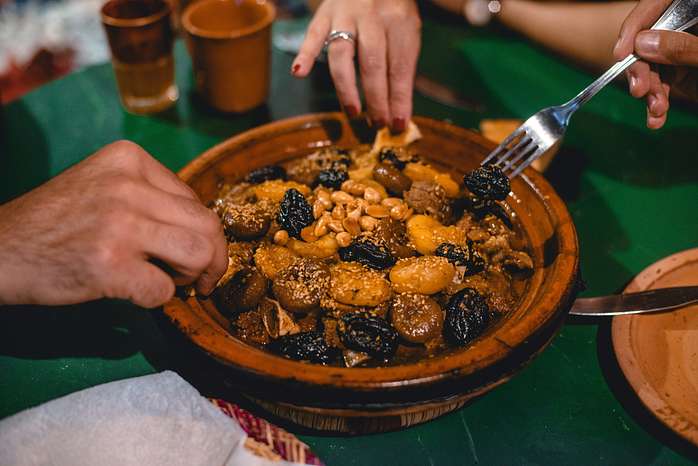
Marrakech reflects deep Amazigh traditions, from regional craftsmanship and cuisine to the cultural history of Morocco’s Indigenous communities.
Desert and Atlas Mountain Landscapes
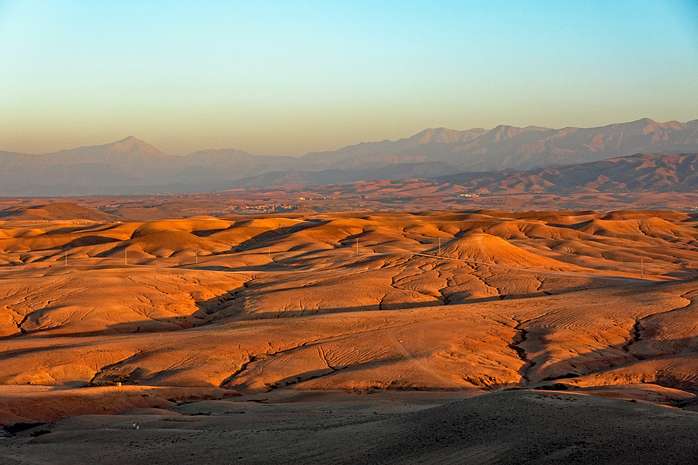
The city serves as a gateway to Morocco’s natural landscapes, including the Agafay Desert and the Atlas Mountains.
Marrakech appeals to travelers interested in culture, architecture, and immersive experiences. First-time visitors often begin with guided introductions to the medina and imperial landmarks to understand the city’s complex history. Lifelong learners explore Morocco’s dynasties, craftsmanship, and cultural traditions, while adventurous travelers use Marrakech as a gateway to deserts, mountains, and regional villages.
The historic medina of Marrakech is best explored on foot, where narrow alleys, markets, and historic courtyards reveal the city’s character. Guided walking tours are especially helpful for navigating the maze-like streets and understanding the history behind its landmarks.
Most travelers spend two to three days in Marrakech, allowing time to explore the medina, visit historic palaces and gardens, and take excursions into nearby landscapes.
Arabic and French are widely spoken in Marrakech, though English is commonly used in tourism areas. Morocco uses the Moroccan dirham (MAD) as its currency.
Spring and autumn are often the most comfortable times to visit due to milder temperatures.