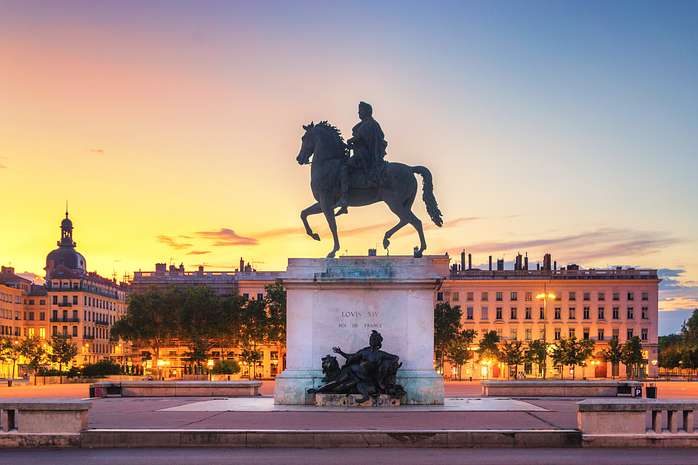


Great introduction to Lyon! You easily see all of the major sites. Our tour guide Magali also gave us some recommendations for other locations to check out in the city that we enjoyed. Definitely recommend!

1
Experience available
Lyon Tours
Expert-led Lyon private tours that turn culinary traditions and hidden passageways into meaningful discoveries
Let Your Curiosity Shape Your Journey
Join passionate experts on intimate walking tours that reveal a city's unique stories, spark conversations, and leave you seeing the world—and yourself—a little differently.
Crafted for conversation
With ten or fewer guests, ask questions, engage with your Expert, and fully immerse yourself.
Experts, not guides
Explore with 1,200+ Experts, from historians and architects to archaeologists and chefs.
Structured, never scripted
Your interests guide your Expert, leading to stories and perspectives that matter to you.
From curious to connoisseur
For first-time visitors or seasoned explorers, our tours span city highlights to deep-dive masterclasses.
Lyon, Seen with Context
Lyon isn’t just France’s culinary capital. Walk with an expert to discover how silk merchants, chefs, and generations of residents shaped the city between two rivers.
Hear from our customers
Magali did a great job introducing us to Lyon despite losing her voice. She even helped us pick out a local French cafe to eat lunch.
Marie-Claire was an excellent, engaging and fun tour guide in Lyon, providing us with great historical background as well as recent history and contemporary life. She was very responsive to our interests.
Lyon Tours
Lyon sits at the meeting point of the Rhône and Saône rivers in eastern France, a geographic crossroads that has shaped the city’s history for more than two thousand years. Founded as the Roman city of Lugdunum in the first century BCE, Lyon became one of the most important urban centers of Roman Gaul. Its strategic position later helped transform the city into a thriving hub of trade, banking, and Renaissance commerce.
Today, Lyon is known for its preserved historic districts, vibrant markets, and deep culinary traditions. Medieval streets climb the hill of Fourvière while Renaissance courtyards and hidden passageways reveal how merchants once navigated the city’s bustling trade routes. Context Travel’s Lyon tours are led by historians and culinary experts who help travelers understand how Roman foundations, Renaissance commerce, and food culture shaped this influential French city.
Lyon is known for its Roman heritage, Renaissance architecture, and its reputation as the gastronomic capital of France.
Roman Origins
Founded as Lugdunum, Lyon became the capital of Roman Gaul and an important political and commercial center of the ancient empire.
Renaissance Old Town (Vieux Lyon)
Lyon’s Old Town contains one of Europe’s largest Renaissance districts, with colorful buildings, courtyards, and historic merchant houses.
French Culinary Tradition
Lyon is widely considered the gastronomic capital of France, home to traditional bouchons and influential chefs who shaped French cuisine.
Silk Production and Trade
During the Renaissance and early modern period, Lyon became Europe’s leading silk production center, shaping the city’s wealth and urban design.
Hidden Passageways (Traboules)
Secret corridors known as traboules connect buildings and streets throughout the historic center, originally used by silk merchants and workers.
Lyon appeals to travelers interested in French culture, history, and cuisine. First-time visitors often appreciate guided introductions that explain the city’s Roman origins and Renaissance districts. Food-focused travelers are drawn to Lyon’s markets and bouchons, while lifelong learners explore the city’s trade history, silk production, and architectural heritage that distinguish it from other French destinations.
Lyon’s historic center is compact and highly walkable, particularly in the Vieux Lyon district and the Presqu’île peninsula between the Rhône and Saône rivers. Private tours are an excellent way to understand the city’s layered history and hidden architectural features.
Most travelers spend one to two days in Lyon, allowing time to explore historic districts, markets, and culinary traditions.
French is the official language spoken in Lyon, though English is widely spoken in tourism areas. France uses the euro (€) as its currency.
Spring and autumn are especially pleasant times to visit, with comfortable weather for private tours and outdoor markets.
What is Lyon known for?
Lyon is known for its Roman heritage, Renaissance Old Town, and its reputation as the gastronomic capital of France.
How many days should you spend in Lyon?
Most travelers spend one to two days exploring Lyon’s historic districts, markets, and culinary culture.
Is Lyon walkable?
Yes. Lyon’s historic center, especially Vieux Lyon and the Presqu’île district, is very walkable.
Is Lyon safe for travelers?
Yes. Lyon is generally considered a safe city for visitors, particularly in central districts and historic areas.
Is Lyon worth visiting?
Yes. Lyon offers exceptional food culture, historic architecture, and a rich Roman and Renaissance heritage.
Why is Lyon considered the food capital of France?
Lyon became famous for its traditional bouchon restaurants, local markets, and chefs who helped shape modern French cuisine.
What are traboules in Lyon?
Traboules are hidden passageways that connect buildings and streets in Lyon’s Old Town. They were historically used by silk merchants and workers.