

We very much enjoyed our day with Marc. He is truly an encyclopedia of Japanese history, particularly as it relates to Kanazawa. We did a lot of walking through different districts and Marc shared lots of information regarding different classes of people, including samurai and geishas and how they all related to one another. The pacing, for us, was quite good and we appreciated his sharing how his personal experiences influenced his tours. All in all, we had a very enjoyable day and look forward to contacting him again when we make our way to Kyoto.

1
Experience available
Kanazawa Tours
Expert-led Kanazawa guided tours that turn samurai districts, gardens, and living traditions into meaningful discoveries.
Let Your Curiosity Shape Your Journey
Join passionate experts on intimate walking tours that reveal a city's unique stories, spark conversations, and leave you seeing the world—and yourself—a little differently.

Crafted for conversation
With ten or fewer guests, ask questions, engage with your Expert, and fully immerse yourself.
Experts, not guides
Explore with 1,200+ Experts, from historians and architects to archaeologists and chefs.
Structured, never scripted
Your interests guide your Expert, leading to stories and perspectives that matter to you.
From curious to connoisseur
For first-time visitors or seasoned explorers, our tours span city highlights to deep-dive masterclasses.
Kanazawa, Seen with Context
Kanazawa isn’t just about beautifully preserved streets and tranquil gardens. Walk with an expert to discover how samurai families, artisans, and centuries of tradition shaped one of Japan’s most refined cultural cities.
Hear from our customers
Kanazawa Tours
Kanazawa sits along Japan’s western coast facing the Sea of Japan, a city that flourished during the Edo period as the seat of the powerful Maeda clan. While many Japanese cities were heavily damaged during World War II, Kanazawa preserved much of its historic layout, including samurai districts, merchant neighborhoods, and traditional craft workshops.
During the 17th and 18th centuries, Kanazawa became one of the wealthiest castle towns in Japan, rivaling Kyoto and Edo (modern Tokyo) in cultural influence. Patronage from local rulers supported artisans, painters, and performers whose traditions continue today. Context Travel’s Kanazawa tours are led by historians and cultural experts who help travelers understand how samurai governance, artistic craftsmanship, and urban design shaped this remarkable city.
Kanazawa is known for its preserved Edo-period neighborhoods, traditional crafts, and historic castle-town culture.
Kenrokuen Garden
Considered one of Japan’s most celebrated landscape gardens, Kenrokuen reflects classical Japanese design principles of harmony, balance, and seasonal beauty.
Samurai Districts
Neighborhoods such as Nagamachi preserve the residences and streets where samurai families once lived and served their feudal lords.
Traditional Crafts and Gold Leaf
Kanazawa is famous for its artisan traditions, including gold leaf production, lacquerware, ceramics, and textiles.
Kanazawa Castle and Feudal Governance
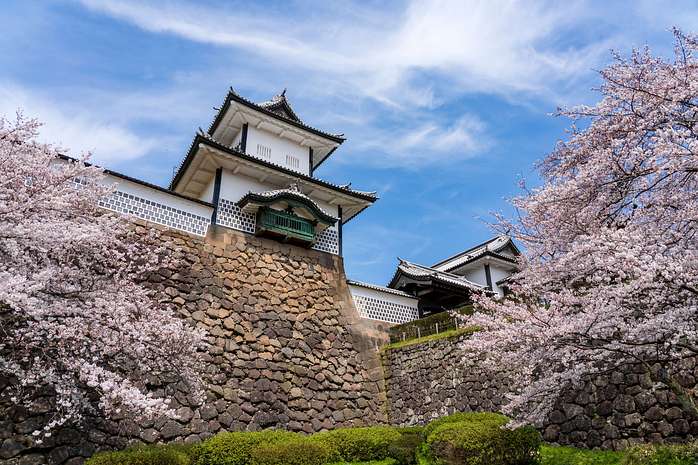
The castle complex reflects the power of the Maeda clan, whose patronage shaped the city’s cultural development.
Historic Merchant Districts
Areas such as Higashi Chaya preserve wooden teahouses and streets that reveal the world of merchants and geisha culture during the Edo period.
Kanazawa appeals to travelers interested in Japanese history, craftsmanship, and cultural preservation. First-time visitors benefit from guided introductions that explain how the city functioned as a feudal castle town. Lifelong learners are drawn to Kanazawa’s artisan traditions and Edo-period architecture, while repeat travelers often explore the city’s historic districts and gardens to experience a quieter side of Japan beyond its largest cities.
Kanazawa is compact and well-suited to walking tours, particularly around the historic districts near Kanazawa Castle and Kenrokuen Garden. Many major landmarks, including the samurai district and traditional teahouse neighborhoods, are located within a short distance of one another.
Most travelers spend one to two days exploring Kanazawa’s historic districts, gardens, and artisan workshops. Many visitors combine the city with trips to Kyoto, Tokyo, or the Japanese Alps.
Japanese is the primary language spoken in Kanazawa, though English is widely used in tourism settings. Japan uses the Japanese yen (¥) as its currency.
Spring and autumn are particularly beautiful seasons to visit, when gardens and historic streets are framed by cherry blossoms or autumn foliage.
What is Kanazawa known for?
Kanazawa is known for its preserved Edo-period neighborhoods, Kenrokuen Garden, and its long tradition of artisan craftsmanship.
Is Kanazawa worth visiting?
Yes. Kanazawa offers a rare opportunity to experience Japan’s historic castle-town culture with preserved districts, gardens, and craft traditions.
How many days should you spend in Kanazawa?
Most travelers spend one to two days exploring Kanazawa’s historic districts, gardens, and cultural sites.
Is Kanazawa walkable?
Yes. Many of Kanazawa’s major landmarks are located close together and can be explored on foot.
What is Kenrokuen Garden famous for?
Kenrokuen is considered one of Japan’s three most beautiful landscape gardens and reflects traditional principles of Japanese garden design.
What crafts is Kanazawa known for?
Kanazawa is famous for gold leaf, lacquerware, ceramics, textiles, and other traditional Japanese crafts.