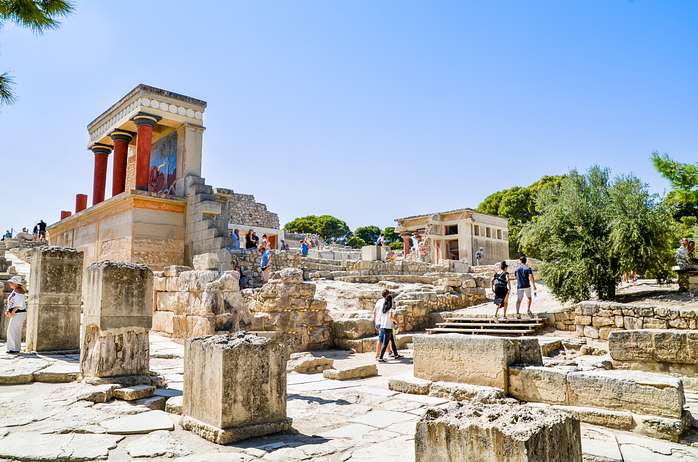




This was a wonderful tour. Dimitra was extremely knowledgeable and fun to be with. We requested to add the new archaeological museum of Chania to the itinerary, and Dimitra made that work. Overall it was a great opportunity to learn about many historical periods of Crete, from the prehistoric era to WW2. Highly recommended!

4
Experiences available
Crete Tours
Expert-led Crete private day tours that turn Minoan legends and island traditions into meaningful discoveries
Let Your Curiosity Shape Your Journey
Join passionate experts on intimate walking tours that reveal a city's unique stories, spark conversations, and leave you seeing the world—and yourself—a little differently.

Crafted for conversation
With ten or fewer guests, ask questions, engage with your Expert, and fully immerse yourself.
Experts, not guides
Explore with 1,200+ Experts, from historians and architects to archaeologists and chefs.
Structured, never scripted
Your interests guide your Expert, leading to stories and perspectives that matter to you.
From curious to connoisseur
For first-time visitors or seasoned explorers, our tours span city highlights to deep-dive masterclasses.
Crete, Seen with Context
Crete isn’t just beaches and mountain villages. Walk with an expert to discover how ancient civilizations and island traditions shaped its culture.
Hear from our customers
Ioannis was wonderful. So informative and enthusiastic about Knosos and the museum. He answered every question thoroughly. He is a great story teller and really made Knosos come alive.
Where do I even begin? Dimitra was absolutely AMAZING from the very start! Her bright personality, quick wit, and deep knowledge of Knossos Palace and the Minoans made our visit both fun and unforgettable. She truly brought the Palace to life—helping me not only understand what I was seeing but also imagine what life might have been like in that era. What stood out most was how much she clearly loves what she does. That passion made the experience feel magical. Instead of a typical guided tour, it felt like I was exploring with a close friend I’d known for years. On top of that, Dimitra went above and beyond when we ran into a small hiccup with our transportation back to the hotel. She stepped right in, helped us sort everything out, and even arranged a wonderful lunch reservation for after the tour. If we’re ever lucky enough to return to Crete, Dimitra will be the first person I call for all our tours. She made us fall in love with history and left us with a true appreciation for the past. Thank you, Dimitra
Crete Tours
Crete, the largest island in Greece, lies at the crossroads of Europe, Africa, and the Middle East. For thousands of years it served as a strategic hub for trade, culture, and political power across the Mediterranean. The island is best known as the center of the Minoan civilization, one of Europe’s earliest advanced societies, whose palaces and artistic traditions shaped the region long before classical Greece emerged.
Over centuries, Crete passed through Roman, Byzantine, Venetian, and Ottoman rule, each leaving its mark on the island’s cities, architecture, and culture. Today, travelers come to Crete for its archaeological sites, coastal landscapes, and deeply rooted traditions of food and community. Context Travel’s Crete tours are led by historians, archaeologists, and cultural experts who help travelers understand how ancient civilizations, maritime trade, and local traditions continue to shape life on the island.
Crete is known for its ancient civilizations, dramatic landscapes, and enduring Mediterranean culture.
Minoan Civilization and Ancient Archaeology
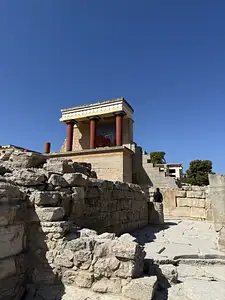
Crete was the center of the Minoan civilization, one of Europe’s earliest advanced societies. Sites like Knossos reveal complex palaces, art, and mythology that influenced later Greek culture.
Mediterranean Trade and Strategic Geography
Located between Europe, Africa, and the Middle East, Crete played a vital role in maritime trade networks throughout antiquity and the medieval period.
Venetian and Ottoman Heritage
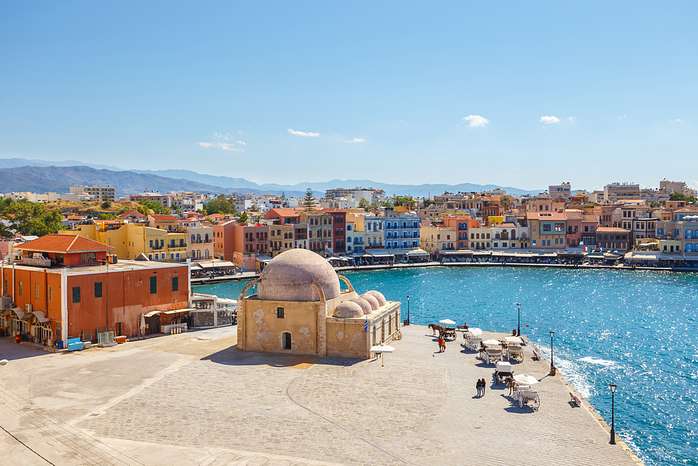
Centuries of Venetian and Ottoman rule left architectural and cultural influences visible in cities like Heraklion, Chania, and Rethymno.
Mediterranean Cuisine and Agriculture
Crete is famous for its olive oil, wine, herbs, and produce, forming the foundation of what is often described as the Mediterranean diet.
Landscape and Natural Beauty
From mountain villages to coastal cliffs and fertile plains, Crete’s varied landscapes shaped both its economy and its traditions.
Crete appeals to travelers interested in archaeology, Mediterranean history, and regional culture. First-time visitors often begin with guided introductions to Minoan sites and historic cities to understand the island’s role in ancient history. Lifelong learners are drawn to Crete’s archaeological significance and layered past. Food-focused travelers appreciate the island’s agricultural traditions and local cuisine, while repeat visitors often explore rural landscapes and historic towns beyond the main archaeological sites.
Crete is a large island with several major cities and archaeological sites spread across the landscape. Many travelers combine guided tours with time exploring coastal towns, historic centers, and natural landscapes.
Most visitors spend three to five days in Crete, allowing time to explore major archaeological sites such as Knossos, visit historic cities like Heraklion or Chania, and experience the island’s food and countryside.
Greek is the official language spoken in Crete, though English is widely spoken in tourist areas. Greece uses the euro (€) as its currency.
Spring and autumn offer particularly pleasant weather for day tours and archaeological exploration, while summer is ideal for combining cultural visits with time along the coast.
What is Crete known for?
Crete is known for the ancient Minoan civilization, archaeological sites such as Knossos, Mediterranean cuisine, and its rich history shaped by multiple cultures.
Is Crete worth visiting?
Yes. Crete offers a unique combination of archaeological sites, historic cities, landscapes, and food traditions that make it one of Greece’s most rewarding destinations.
How many days should you spend in Crete?
Most travelers spend three to five days exploring Crete’s archaeological sites, historic towns, and countryside.
Where is Crete located?
Crete is the largest island in Greece, located in the Mediterranean Sea south of mainland Greece.
What are the best things to do in Crete?
Popular activities include visiting the Palace of Knossos, exploring historic towns such as Chania and Heraklion, enjoying Cretan cuisine, and discovering mountain villages and coastal landscapes.
Is Crete good for history lovers?
Yes. Crete is one of the most historically significant regions in the Mediterranean, with archaeological sites and historical layers spanning thousands of years.