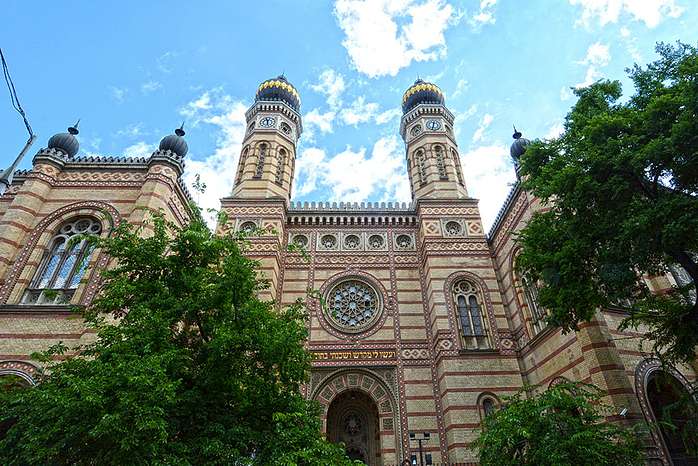



Szonja was wonderful! Perfect guide for our group. Brilliant and knowledgeable, and was able to go very deeply into the context and history of the Jewish tradition in the country and in Budapest. She also offered many good local insider tips and suggestions :-)

6
Experiences available
Budapest Tours
Expert-led Budapest guided tours that turn grand boulevards and thermal traditions into meaningful discoveries
Let Your Curiosity Shape Your Journey
Join passionate experts on intimate walking tours that reveal a city's unique stories, spark conversations, and leave you seeing the world—and yourself—a little differently.
Crafted for conversation
With ten or fewer guests, ask questions, engage with your Expert, and fully immerse yourself.
Experts, not guides
Explore with 1,200+ Experts, from historians and architects to archaeologists and chefs.
Structured, never scripted
Your interests guide your Expert, leading to stories and perspectives that matter to you.
From curious to connoisseur
For first-time visitors or seasoned explorers, our tours span city highlights to deep-dive masterclasses.
Budapest, Seen with Context
Budapest isn’t simply grand boulevards and thermal baths. Walk with an expert to see how empires, artists, and everyday citizens shaped the city on the Danube.
Hear from our customers
William was absolutely brilliant and a perfect guide for our group: engaging, energetic, knowledgeable, and generous in handling our many questions. Just a perfect morning! Thanks.
Despite the bitter cold weather in Budapest, Edina provided a fascinating and educational tour of the history of Budapest and what makes Buda and Pest unique. This was such a great tour to take on our 2nd day and helped explain so much that we would see and experience on our next 4 days in the city. Don't miss Edina or her informative and special tour!
Budapest Tours
Budapest sits along the Danube River in central Hungary, a city formed from the union of two historic settlements: Buda on the hills to the west and Pest on the plains to the east. For centuries, the city developed at the crossroads of empires—from the medieval Kingdom of Hungary to Ottoman rule and later the Austro-Hungarian Empire. These political shifts left behind a remarkable architectural landscape that blends medieval fortifications, grand imperial boulevards, and early modern urban design.
Today, Budapest is known for its dramatic riverfront skyline, historic thermal baths, and vibrant cultural life. Yet understanding the city requires looking beyond its landmarks to see how geography, empire, and national identity shaped its development. Context Travel’s Budapest tours are led by historians and cultural experts who connect the city’s architecture, politics, and everyday life into a deeper understanding of Hungary’s past and present.
Budapest is known for its dramatic architecture, imperial history, and the Danube River that divides and defines the city.
Buda Castle and Historic Hills
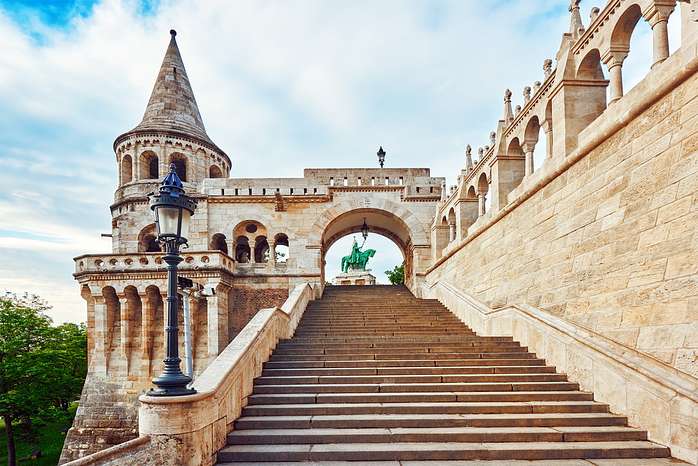
Buda’s elevated castle district reflects the city’s medieval and royal history, offering panoramic views and centuries-old streets that once housed Hungary’s rulers and nobility.
The Danube River and Cityscape
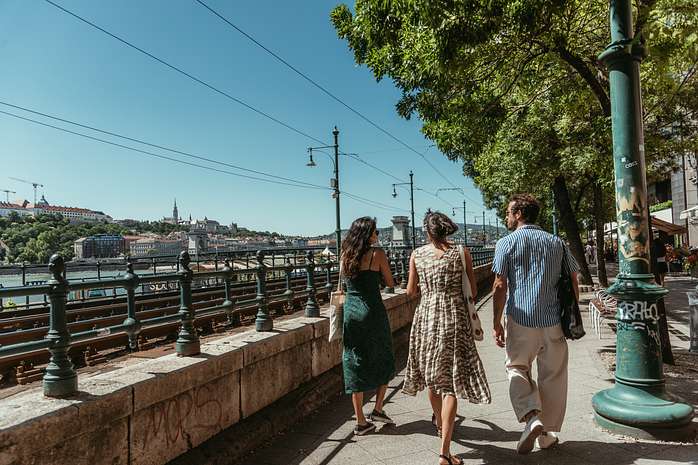
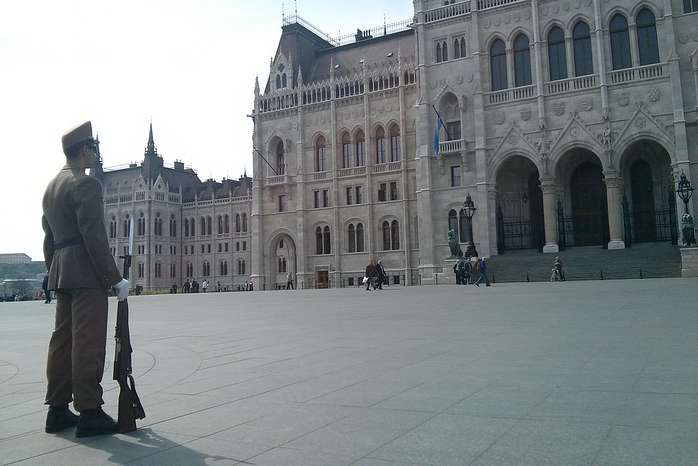
The Danube cuts through Budapest, shaping its development and creating one of Europe’s most striking riverfront skylines, including landmarks such as the Parliament Building and Chain Bridge.
Austro-Hungarian Imperial Architecture
During the 19th century, Budapest expanded rapidly under the Austro-Hungarian Empire, producing grand boulevards, bridges, and civic buildings that rival those of Vienna and Paris.
Thermal Bath Culture
Budapest sits atop natural thermal springs that have supported bathing traditions since Roman times and remain central to the city’s social life today.
Hungarian Cultural Identity
From music and literature to cuisine and national memory, Budapest reflects Hungary’s complex history between Eastern and Western Europe.
Budapest appeals to travelers interested in architecture, history, and cultural identity. First-time visitors benefit from guided introductions that explain how the city developed across the Danube and why its skyline reflects centuries of imperial ambition. Lifelong learners are drawn to Budapest’s political history, artistic traditions, and complex role in Central Europe. Couples and repeat travelers often explore neighborhoods, cafés, and thermal baths that reveal the rhythms of everyday life in the Hungarian capital.
Budapest is a large city, but many major landmarks are concentrated along the Danube River and in the historic districts of Buda and Pest. Guided private tours are one of the best ways to understand how the city developed across both sides of the river.
Most travelers spend two to three days in Budapest exploring historic landmarks, museums, and thermal baths. Spring and early autumn offer the most comfortable weather for guided tours.
Hungarian is the official language, though English is widely spoken in tourism and hospitality settings. Hungary uses the Hungarian forint (HUF) as its currency.
What is Budapest known for?
Budapest is known for its dramatic architecture, historic thermal baths, and the Danube River that divides the city into the historic districts of Buda and Pest.
Is Budapest worth visiting?
Yes. Budapest offers a rich blend of imperial architecture, cultural traditions, and scenic river views that make it one of Central Europe’s most distinctive capitals.
How many days should you spend in Budapest?
Most travelers spend two to three days exploring Budapest’s historic districts, museums, and thermal baths.
Is Budapest walkable?
Many of Budapest’s historic areas are walkable, particularly along the Danube and in central districts. Public transportation also connects the city efficiently.
Why are there thermal baths in Budapest?
Budapest sits above natural thermal springs that have been used for bathing since Roman times. Ottoman-era baths and later spa architecture helped establish the city’s bathing culture.
Why was Budapest formed from two cities?
Historically, Buda and Pest were separate settlements divided by the Danube River. They officially unified in 1873 to form the modern city of Budapest.