


Sensational guide. Extremely knowledgeable and we are thankful we had Albert as a guide because he made our short visit more fulfilling.

2
Experiences available
Bruges Tours
Expert-led Bruges private tours that turn canals and medieval trade into meaningful discoveries
Let Your Curiosity Shape Your Journey
Join passionate experts on intimate walking tours that reveal a city's unique stories, spark conversations, and leave you seeing the world—and yourself—a little differently.

Crafted for conversation
With ten or fewer guests, ask questions, engage with your Expert, and fully immerse yourself.
Experts, not guides
Explore with 1,200+ Experts, from historians and architects to archaeologists and chefs.
Structured, never scripted
Your interests guide your Expert, leading to stories and perspectives that matter to you.
From curious to connoisseur
For first-time visitors or seasoned explorers, our tours span city highlights to deep-dive masterclasses.
Bruges, Seen with Context
Bruges isn’t simply a preserved medieval town. Walk with an expert to discover how trade, craftsmanship, and centuries of history shaped the city.
Hear from our customers
Absolutely loved Wendy! She was so fun and passionate and we had the absolute best time
We had a lovely tour with Jonathan. He was very informative and interesting. He was great.
Bruges Private Tours
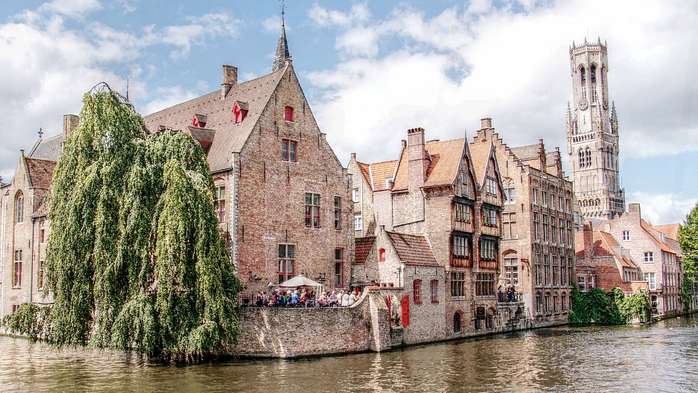
Bruges sits in northwestern Belgium in the historic region of Flanders, a city whose canals, merchant houses, and cobbled streets reflect centuries of trade and artistic influence. During the Middle Ages, Bruges became one of northern Europe’s most prosperous commercial centers, connecting the North Sea to inland trade routes across the continent. Wealth generated through commerce funded churches, guild halls, and civic buildings that still define the city’s skyline today.
Although Bruges’ economic importance declined after the 16th century, its preserved medieval layout and architecture remained remarkably intact. Today, the city is recognized as a UNESCO World Heritage Site, attracting travelers who want to experience one of Europe’s most complete medieval urban landscapes. Context Travel’s Bruges tours are led by historians and cultural experts who help travelers understand how commerce, art, and religion shaped the city that still captivates visitors centuries later.
Bruges is known for its well-preserved medieval architecture, its canals and market squares, and its role as one of northern Europe’s most important trading cities during the Middle Ages.
Medieval Urban Landscape
Bruges’ historic center retains much of its medieval layout, with canals, narrow streets, and brick buildings that illustrate how prosperous trading cities developed during the Middle Ages.
Canals and Waterways
Often called the “Venice of the North,” Bruges’ canals were once essential for transporting goods and connecting the city to regional trade networks.
Flemish Art and Craftsmanship
Bruges played a significant role in the development of Northern Renaissance painting. Artists such as Jan van Eyck worked in the region, helping define a new artistic style known for its detail and realism.
Guilds and Merchant Culture
The city’s grand squares and civic buildings reflect the wealth and power of merchant guilds that dominated Bruges during its commercial peak.
Belgian Culinary Traditions
Bruges is also known for Belgian specialties such as chocolate, waffles, and beer, which reflect the country’s long-standing culinary traditions.
Bruges appeals to travelers who enjoy cities where history is visible in every street and square. First-time visitors often begin with guided introductions that explain how medieval trade shaped the city’s canals, markets, and churches. Lifelong learners are drawn to Bruges’ art history and its role in the development of Northern Renaissance painting. Couples and repeat travelers appreciate the city’s slower rhythm and atmospheric streets, while families often enjoy exploring Bruges’ compact and walkable historic center.
Bruges is compact and highly walkable, making it ideal for guided walking tours. Most major landmarks—including the Markt square, Belfry tower, and canals—are located within the historic center.
Many travelers visit Bruges as a day trip from Brussels, though staying one or two nights allows for a more relaxed experience after daytime crowds depart.
Dutch (Flemish) is the primary language spoken in Bruges, though English is widely understood in tourism and hospitality settings. Belgium uses the euro (€) as its currency.
What is Bruges known for?
Bruges is known for its remarkably preserved medieval architecture, scenic canals, historic market squares, and its role as a major trading center during the Middle Ages.
Is Bruges worth visiting?
Yes. Bruges offers one of Europe’s best-preserved medieval city centers along with historic churches, canals, and traditional Belgian food culture.
How many days should you spend in Bruges?
Many travelers visit Bruges on a day trip, though one to two days allows more time to explore the city’s historic streets and canals.
Is Bruges walkable?
Yes. Bruges’ historic center is compact and pedestrian-friendly, making it ideal for private tours.
Why is Bruges called the Venice of the North?
Bruges earned this nickname because of its network of canals, which historically connected the city to regional trade routes and still shape its landscape today.
Why is Bruges a UNESCO World Heritage Site?
Bruges received UNESCO status because its medieval street plan, canals, and historic buildings have remained largely intact, offering one of the best-preserved examples of a medieval European trading city.