
6
Experiences available
Bologna Tours
Expert-led Bologna walking tours that turn medieval towers and culinary traditions into meaningful discoveries
Let Your Curiosity Shape Your Journey
Join passionate experts on intimate walking tours that reveal a city's unique stories, spark conversations, and leave you seeing the world—and yourself—a little differently.

Crafted for conversation
With ten or fewer guests, ask questions, engage with your Expert, and fully immerse yourself.
Experts, not guides
Explore with 1,200+ Experts, from historians and architects to archaeologists and chefs.
Structured, never scripted
Your interests guide your Expert, leading to stories and perspectives that matter to you.
From curious to connoisseur
For first-time visitors or seasoned explorers, our tours span city highlights to deep-dive masterclasses.
Bologna, Seen with Context
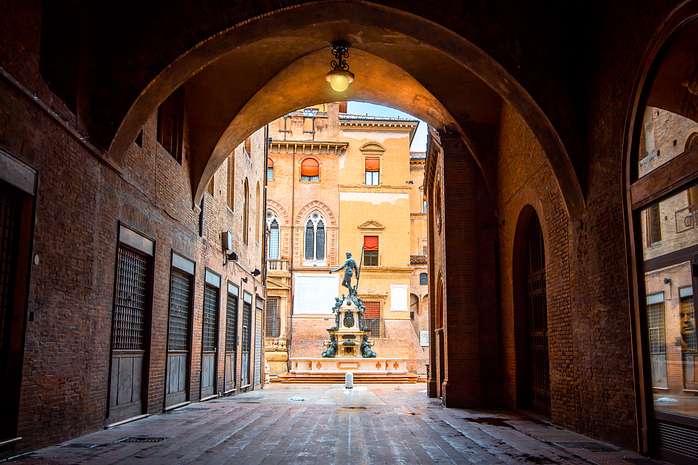
Bologna isn’t just pasta and porticoed streets. Walk with an expert to explore how scholars, merchants, and culinary traditions shaped the city.

Hear from our customers
Bologna Tours
Bologna is compact and highly walkable, making it an excellent city for private walking tours. Many major landmarks, including Piazza Maggiore, the Two Towers, and the Archiginnasio, are located within the historic center and easily reached on foot.
Most travelers spend two to three days in Bologna, allowing time to explore the city and enjoy its food culture. Bologna also serves as a convenient base for visiting nearby destinations in Emilia-Romagna.
Italian is the primary language spoken in Bologna, though English is widely understood in tourism and cultural institutions. Italy uses the euro (€) as its currency.
Bologna is known for its intellectual history, medieval architecture, and one of Italy’s most influential regional cuisines.
Europe’s Oldest University
Founded in 1088, the University of Bologna helped shape the development of Western legal and academic traditions, attracting scholars and students from across Europe.
Porticoes and Medieval Urban Design
Bologna’s iconic porticoes stretch for more than 60 kilometers across the city. Originally built to expand living space above busy streets, they now define the city’s distinctive architectural character and are recognized as a UNESCO World Heritage feature.
Medieval Towers and Civic Power
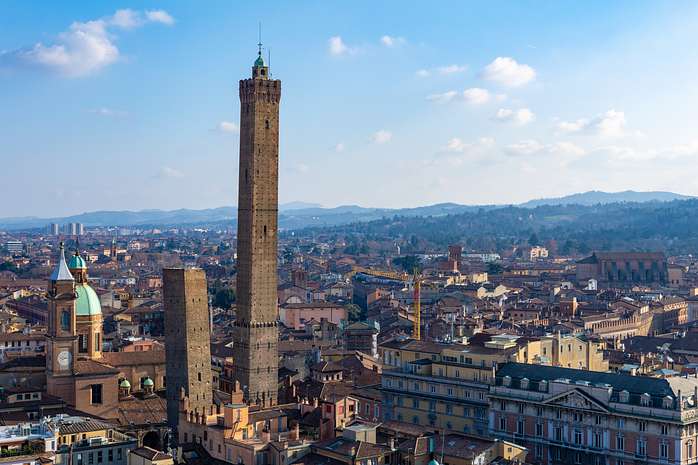
Once home to more than one hundred towers, Bologna’s skyline reflected the wealth and political rivalry of powerful medieval families. Today, landmarks like the Asinelli and Garisenda towers remain symbols of the city’s history.
Italian Culinary Heritage
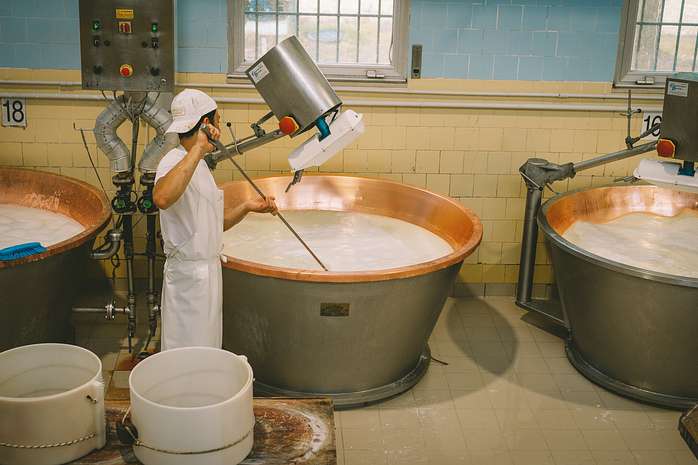
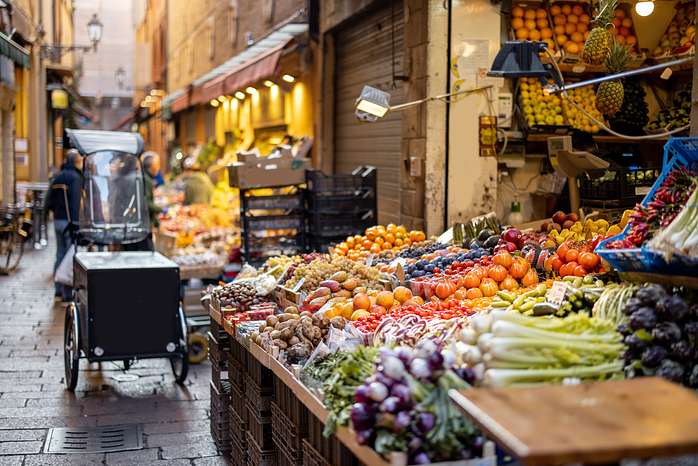
Bologna is widely regarded as the gastronomic heart of Italy. Dishes such as tagliatelle al ragù, tortellini, and mortadella originated here, shaped by regional agriculture and centuries of culinary craft.
Strategic Position in Emilia-Romagna
Located between Florence, Milan, and Venice, Bologna has long served as a crossroads for trade, culture, and travel across northern Italy.
Bologna appeals to travelers who enjoy cities where intellectual history, architecture, and food culture intersect.
First-time visitors benefit from guided introductions that connect Bologna’s towers, porticoes, and university traditions into a clear story of place.
Lifelong learners are drawn to the city’s academic legacy and civic institutions, while food lovers explore markets and regional specialties that define Emilia-Romagna cuisine.
Couples and repeat Italy travelers often appreciate Bologna’s authenticity and depth, especially compared to more crowded Italian destinations.
First-time visitors benefit from guided introductions that connect Bologna’s towers, porticoes, and university traditions into a clear story of place.
Lifelong learners are drawn to the city’s academic legacy and civic institutions, while food lovers explore markets and regional specialties that define Emilia-Romagna cuisine.
Couples and repeat Italy travelers often appreciate Bologna’s authenticity and depth, especially compared to more crowded Italian destinations.
Bologna is compact and highly walkable, making it an excellent city for guided walking tours. Many major landmarks, including Piazza Maggiore, the Two Towers, and the Archiginnasio, are located within the historic center and easily reached on foot.
Most travelers spend two to three days in Bologna, allowing time to explore the city and enjoy its food culture. Bologna also serves as a convenient base for visiting nearby destinations in Emilia-Romagna.
Italian is the primary language spoken in Bologna, though English is widely understood in tourism and cultural institutions. Italy uses the euro (€) as its currency.
What is Bologna known for?
Bologna is known for its historic university, medieval towers, portico-lined streets, and one of Italy’s most celebrated culinary traditions.
What are the best things to do in Bologna?
Many travelers begin by exploring Piazza Maggiore, climbing the Asinelli Tower, visiting the Archiginnasio, and experiencing Bologna’s markets and food culture.
How many days should you spend in Bologna?
Two to three days is ideal for exploring Bologna’s historic center, experiencing its culinary traditions, and visiting nearby cities in Emilia-Romagna.
Is Bologna walkable?
Yes. Bologna’s historic center is compact and largely flat, with extensive porticoes that make walking comfortable in most weather.
Why does Bologna have so many porticoes?
The porticoes were originally built during the Middle Ages to expand living space above narrow streets while protecting pedestrians from sun and rain. Over time, they became a defining feature of the city’s architecture.
Is Bologna worth visiting compared to other Italian cities?
Yes. Bologna offers deep history, exceptional food, and a vibrant local culture, often with fewer crowds than destinations like Florence or Venice.